Mold Remediation and Wood Treatment
Before we encapsulate a crawl space, we deal with existing mold and moisture. We apply an EPA-registered borate or encapsulant spray to affected wood framing surfaces. We allow adequate dry time and verify moisture levels are corrected before moving forward. Sealing over wet wood just traps the problem, which is why verifying moisture correction is a mandatory step before encapsulation.
Humidity Control and Encapsulation
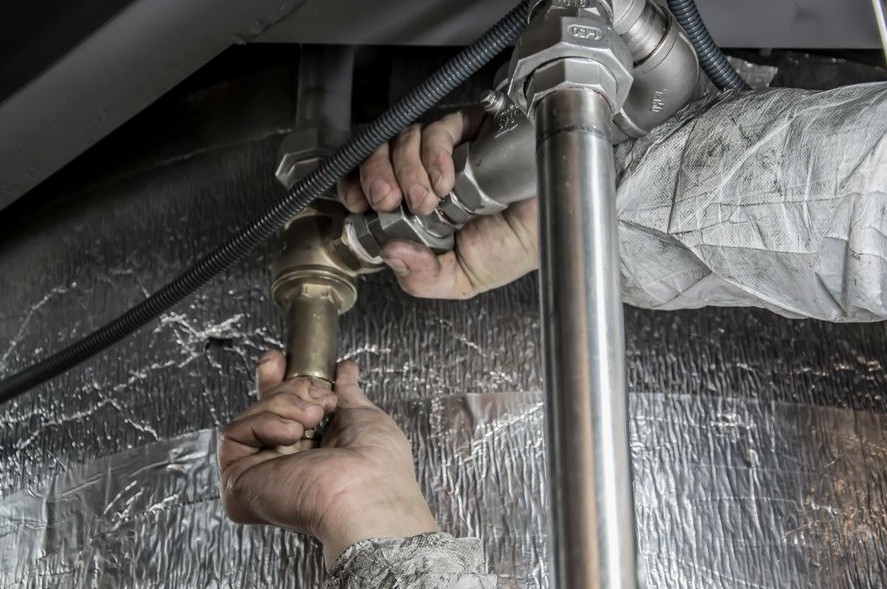
Once the wood is treated and dry, we install a crawl space-rated dehumidifier sized to the volume of the space. Using a condensate pump and drain line, we route the water to a sump or out to daylight so it doesn't recirculate under the house. We commission the unit at a 50–55% relative humidity setpoint. To make this stick, we integrate the dehumidifier with an encapsulation system. We use a spray foam insulation rig to seal the rim joists and crawl space walls, closing off the air leaks that let outside humidity in.
Structural Support and Pier Pricing
Sealing and drying a crawl space doesn't fix a failed support post or pier. That requires structural repair. We install helical piers to stabilize settling foundations, which run $2,500 to $3,500 per helical pier installed. The total depends on how much of the structure has settled and how deep we must drive the piers to reach load-bearing soil.
Rockwall Soil and Drainage Factors
Rockwall’s foundation movement risk is amplified by drought-and-deluge cycles. Hot Texas summers dry the soils, and winter and spring rains re-saturate them. Freeze/thaw cycling in the colder months adds another layer of expansion and contraction stress. Furthermore, poor drainage and negative grading are identified as local foundation stressors in Rockwall because they concentrate moisture at the slab edge. If your lot slopes toward the house, it accelerates both crawl space moisture issues and foundation settlement.
What Makes Rockwall Different
From the field — what Rockwall throws at a project like this:
Climate
- humidity load that stresses building envelopes
- variable annual precipitation
- Freeze risk: medium — relevant to freeze/thaw foundation stress.
- Hurricane/storm exposure: low.
Soil & Ground
- mixed regional soils with some shrink-swell potential
- seasonal moisture variation affecting foundations
Local Notes
- Serving Rockwall, TX and surrounding communities.
- Housing stock: median year built 2003. Source: U.S. Census ACS.
- Housing tenure: 75% owner-occupied, 25% renter-occupied. Source: U.S. Census ACS.
- Median household income $114,926. Source: U.S. Census ACS.
How We Do Business
- Free Estimates
- You pay for work, never for the quote.
- We show up when we say
- If the plan changes, you hear it from us first.
- Local crew, local jobs
- Close enough to come back if anything needs a second look.
- No-pressure estimates
- Sit with the written scope as long as you need.
See the Work
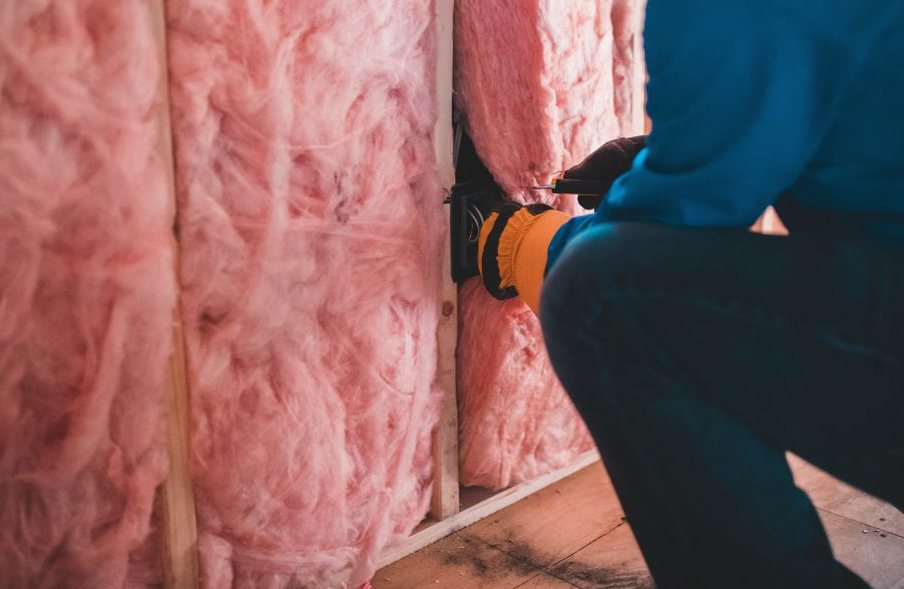
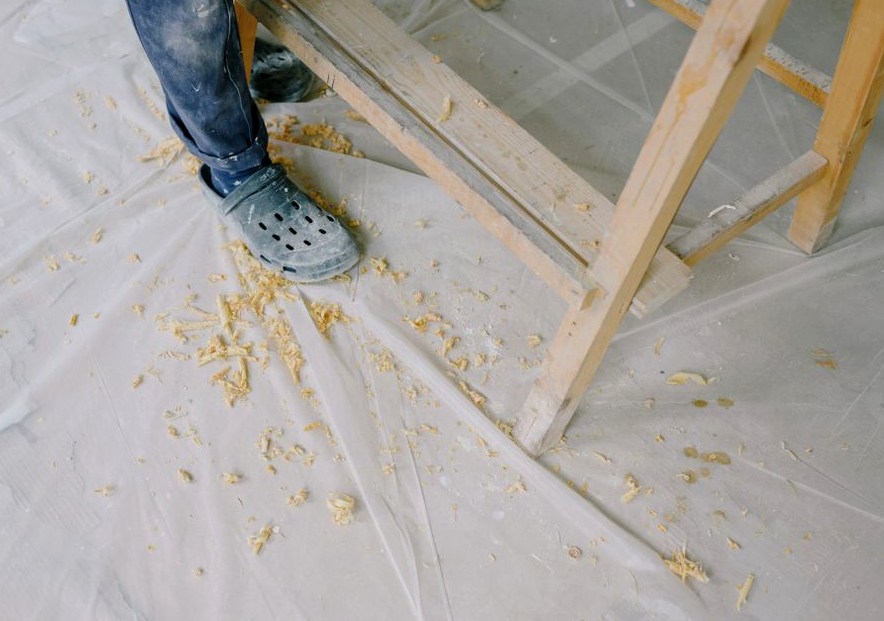
A visual look at what the service involves.
Getting Started Is Simple
-
Reach Out
Tell us what you're seeing and when it started — you'll get a straight answer, not a sales pitch.
-
We Take a Look
We come out, measure what's actually happening, and walk you through what we find.
-
Clear, Written Quote
You get the scope and the price in writing before any work starts. No surprises.
-
We Do the Work
We complete the repair, verify it solved the problem, and stand behind the work.
Some of what that looks like in the field:
- Push piers driven in sequence to refusal on a load-bearing stratum
- Torque-to-capacity correlation logged on every helical pier install
What It Typically Costs
Ranges to budget around - every situation is priced on its own specifics.
$300–$600
$2200–$8100
Common Questions
What causes foundation settling in Rockwall?
In Rockwall, settling comes down to the local ground conditions: Mixed regional soils with some shrink-swell potential. Seasonal moisture variation affecting foundations.
How deep do foundation piers go?
There is no fixed depth. Piers are advanced until they reach soil or rock that can carry the load, which can be a few feet or more than thirty depending on the site. A soil bearing test sets the target before installation.
Will repair close the cracks I can already see?
Lifting a settled foundation back toward level closes most cosmetic cracks on its own. Any remaining hairline cracks are sealed once the structure is stable so they don't reopen.
How long does a typical foundation repair take?
A pier installation on an average home runs one to three days depending on access and the number of piers. Crack injection or slab leveling usually finishes in a single day.
Do I need to move out during the repair?
Most repairs are done from the perimeter or crawl space and don't require leaving home. For a large interior lift with significant floor disruption, staying elsewhere for a night can be more comfortable.
What is a manometer survey and why is it done first?
A manometer maps the floor's elevation across every room to show exactly where and how much the structure has settled. Without it there is no way to spec the correct pier depth or calculate how much lift to apply.
How much does foundation repair cost?
Nationally, most foundation repairs run between about $2,200 and $8,100, with an average near $5,100. A single push pier typically runs $1,500 to $2,500 and most homes need several, so larger pier projects reach the higher end.
A Few More Questions
Is foundation repair covered by homeowner's insurance?
A sudden structural event from a covered peril may be covered, but gradual settling from soil movement usually is not. Keep your inspection report and repair documentation for your adjuster.
Our Service Area
Crews serve Rockwall, TX. Call (469) 887-9520 to confirm coverage for your address.
No-Pressure Quotes
Talk to a local pro now: (469) 887-9520.
Free estimates · No-pressure scheduling